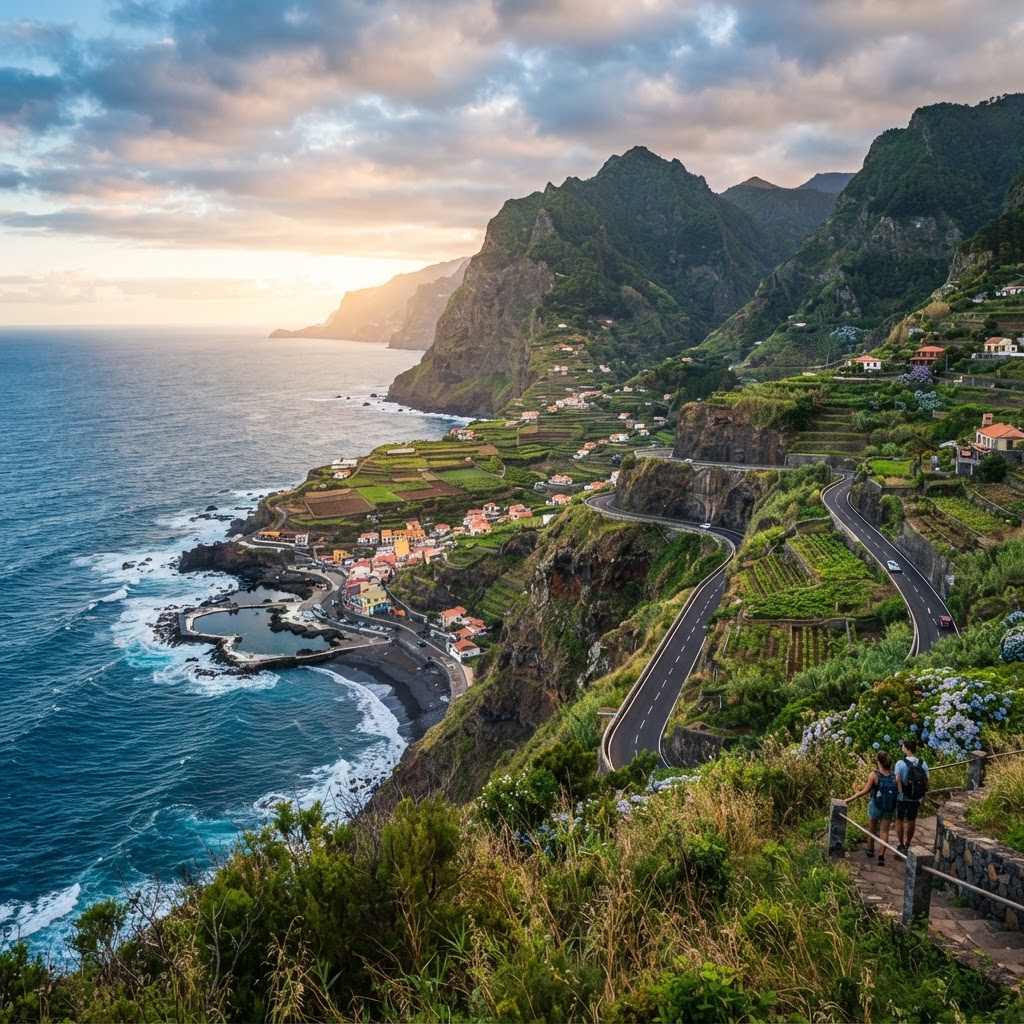
Madera: The Floating Garden of the Atlantic
Discover Madeira, a volcanic paradise in the heart of the Atlantic known for its dramatic cliffs, lush botanical gardens, and world-class hiking trails. This guide explores why this Portuguese archipelago is the ultimate escape for nature lovers.
Overview / Why Visit
Often referred to as the 'Floating Garden of the Atlantic,' Madeira is a Portuguese archipelago of volcanic origin that feels like a world apart. Located hundreds of miles off the coast of Africa, this island nation boasts a dramatic landscape where jagged peaks meet the vast blue horizon. Unlike the typical beach-resort destinations, Madeira offers a sophisticated mix of rugged wilderness, sophisticated European charm, and a climate that stays perpetually spring-like. Whether you are a fan of extreme adventure or simply wish to enjoy a glass of world-renowned Madeira wine overlooking a cliffside vineyard, this island promises an unforgettable escape.
Top Things To Do
- Hike the Levadas: Explore the island's unique network of irrigation channels that offer spectacular walking paths through laurel forests and waterfalls.
- Reach the Summit of Pico do Arieiro: Drive or hike to the third-highest peak on the island for a sunrise experience above the clouds that you will never forget.
- Explore Funchal’s Old Town: Walk the cobblestone streets of the capital, visit the vibrant Mercado dos Lavradores, and take the cable car up to the Monte Palace Tropical Garden.
- Natural Pools of Porto Moniz: Swim in volcanic rock pools formed by lava, naturally replenished by the crashing waves of the Atlantic.
- Whale and Dolphin Watching: Madeira is one of the best places in Europe to spot marine life in their natural habitat via a catamaran boat tour.
Best Time to Visit / Practical Tips
Thanks to its subtropical climate, Madeira is a year-round destination. However, the best time to visit is between May and September when the weather is driest and ideal for hiking. If you are interested in the famous Flower Festival, aim for spring. For those traveling on a budget, October to March offers fewer crowds, though expect more intermittent rain. Practical tip: renting a car is essential to navigate the steep, winding roads and reach the hidden viewpoints that public transport cannot access. Pack layers, as the weather can change rapidly from the sunny coast to the misty mountain peaks.
Why Book with Fanous Travel
Planning a trip to an archipelago as diverse as Madeira can be overwhelming. At Fanous Travel, we specialize in curating bespoke itineraries that balance adventure with luxury, ensuring you stay at the best quintas (manor houses) and have access to local guides who know the secret trails. From organizing private wine tastings to ensuring your logistical needs are seamless, we take the stress out of your journey. Ready to explore the Atlantic’s hidden gem? Visit https://fanous.travel to start planning your personalized Madeira adventure today.
Frequently Asked Questions
Is Madeira good for a beach vacation?
While Madeira is more famous for its mountains and hiking than sandy beaches, it does feature unique black sand beaches and stunning natural swimming pools. If you are looking for a traditional white sand beach, consider a day trip to the nearby island of Porto Santo.
Do I need a car to get around?
Yes, while there are buses, the most efficient way to see the island’s dramatic viewpoints and remote trails is by renting a car. The roads are well-maintained but can be steep and windy, so choose a car with a good engine.
What is the best local food to try?
Don't leave without trying 'Espada com banana' (black scabbard fish with fried banana) and 'Espetada,' which consists of beef skewers seasoned with garlic and salt, grilled over wood fires.
Madeira is a destination that captures the imagination, proving that even a small island can offer infinite wonders for those willing to explore its depths. Whether you are seeking silence on a misty mountain trail or the warmth of local hospitality in Funchal, this island awaits you.